
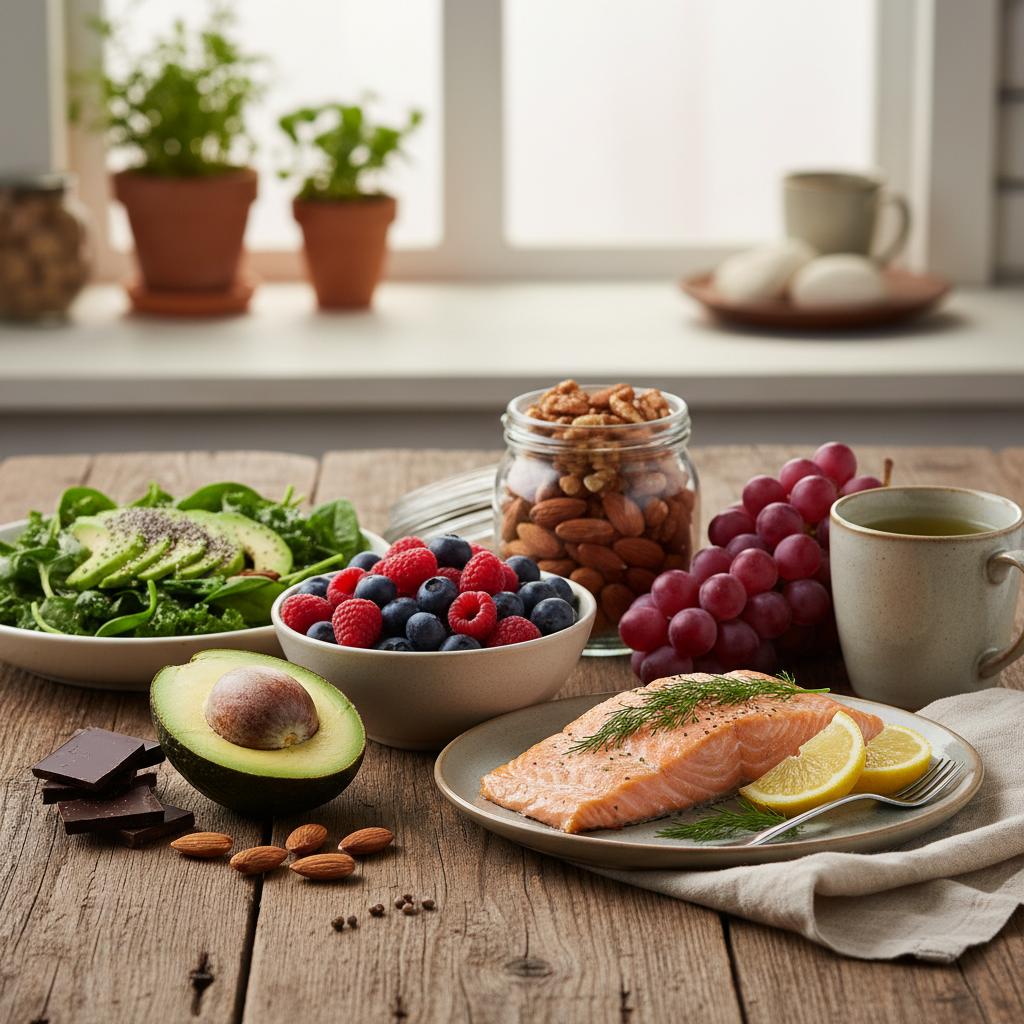
Your Plate Is Your
First Protocol
The evidence-based fertility diet audit — what to eat, what to eliminate, and exactly when it matters in your cycle.
Written for: unexplained infertility, IVF optimization, and PCOS dietary management — by a registered dietitian who has reviewed over 400 peer-reviewed studies on reproductive nutrition.
47
Dietary swaps audited
400+
Studies reviewed
90-day
Structured meal plan
Three questions. Thirty seconds.
Answer honestly. Each response highlights the rows in the comparison table most relevant to your current diet — your personalized starting point.
Do you eat gluten daily?
Bread, pasta, crackers, cereal, most processed foods.
Are you supplementing folic acid (not folate)?
Standard prenatal vitamins typically contain synthetic folic acid, not the bioavailable methylated form.
Do you know your omega-6 to omega-3 ratio?
The average American diet runs 15:1 or higher. Optimal for fertility is closer to 4:1.
The Comparison Table
Common dietary choices on the left. Fertility-optimized swaps on the right. Click any row to read the evidence summary with journal citations.
Seed oils are rich in linoleic acid (omega-6), which competes with omega-3 DHA for enzymatic conversion. Elevated omega-6:omega-3 ratios (>10:1) are associated with increased prostaglandin E2 production, promoting endometrial inflammation and impairing implantation windows. EVOO's oleocanthal has demonstrated COX-2 inhibition comparable to ibuprofen at culinary doses.
Sources: Chavarro JE et al., Am J Clin Nutr 2007; Beauchamp GK et al., Nature 2005
Wild salmon provides ~10× the EPA+DHA of farmed alternatives per gram of fat. DHA is the primary structural fatty acid of the oocyte membrane; adequate intake correlates with improved blastocyst quality scores. A 2018 NHANES analysis found women in the highest quintile of seafood consumption had 61% higher odds of clinical pregnancy in ART cycles.
Sources: Gaskins AJ et al., Hum Reprod 2019; Abdelhamid AS et al., Cochrane 2018
Organophosphate pesticide residues (particularly chlorpyrifos and permethrin) act as endocrine disruptors, binding to estrogen receptors and altering follicular fluid composition. Women with urinary pesticide metabolite levels in the top quartile had 18% lower fertilization rates and 26% lower live birth rates in IVF cycles (EARTH Study, 2018). Organic substitution for the EWG Dirty Dozen reduces pesticide intake by approximately 80%.
Sources: Chiu YH et al., JAMA Intern Med 2018; EWG Shopper's Guide 2023
High glycemic load diets elevate fasting insulin and IGF-1, which upregulate androgen synthesis in theca cells — the primary driver of PCOS hyperandrogenism. Substituting low-GI sweeteners (raw honey GI ~50 vs. sucrose GI ~65) within a Mediterranean-pattern diet reduced HOMA-IR by 22% and improved menstrual regularity in PCOS patients within 12 weeks.
Sources: Barrea L et al., Nutrients 2021; Banaszewska B et al., Fertil Steril 2016
The Nurses' Health Study II (n=18,555) found that each daily serving of low-fat dairy was associated with a 11% higher risk of anovulatory infertility, while high-fat dairy was associated with a 27% lower risk. Mechanism: fat removal concentrates insulin-like growth factors that suppress SHBG. Fermented dairy additionally provides Lactobacillus strains shown to support the uterine microbiome and reduce endometrial inflammatory markers.
Sources: Chavarro JE et al., Hum Reprod 2007; Moreno I et al., Am J Obstet Gynecol 2016
Non-celiac gluten sensitivity affects an estimated 6% of the population and is significantly overrepresented in unexplained infertility cohorts (prevalence ~4× general population). Gliadin proteins trigger zonulin release, increasing intestinal permeability and systemic LPS exposure. In a 2012 RCT, a gluten-free diet in anti-gliadin antibody–positive women normalized reproductive outcomes: miscarriage rate dropped from 87.5% to 11.1%.
Sources: Tersigni C et al., Am J Reprod Immunol 2014; Saccone G et al., Am J Obstet Gynecol 2016
Soy protein isolate delivers concentrated genistein and daidzein — phytoestrogens that competitively bind ERα and ERβ receptors. At isolate doses (>25g/day), genistein has been shown to impair LH surge timing and extend follicular phase length. Whole fermented soy (tempeh, miso) has substantially lower isoflavone bioavailability and does not demonstrate the same effects in reproductive studies.
Sources: Jacobsen BK et al., Br J Nutr 2014; Unfer V et al., Hum Reprod 2004
Up to 60% of women carry MTHFR polymorphisms impairing folic acid methylation — making methylfolate (5-MTHF) the clinically appropriate form. CoQ10 is the rate-limiting factor in mitochondrial ATP production within oocytes; supplementation at 600mg/day improved oocyte maturation rates by 28% and blastocyst formation by 33% in a 2018 RCT. Vitamin D3 deficiency (<30 ng/mL) is present in >40% of infertile women and correlates inversely with AMH levels.
Sources: Ben-Meir A et al., Aging Cell 2015; Rudick BJ et al., J Clin Endocrinol Metab 2012
The MTHFR C677T variant (heterozygous in ~40% of women) reduces folic acid conversion efficiency by 30–40%; homozygous carriers (10–15%) convert less than 30%. Unmetabolized folic acid accumulates in plasma and may paradoxically mask vitamin B12 deficiency and impair natural killer cell activity in the uterine lining. Switching to 5-MTHF bypasses this enzymatic bottleneck entirely.
Sources: Greenberg JA et al., Rev Obstet Gynecol 2011; Obeid R, Nutrients 2013
* Impact grades reflect aggregate evidence quality. Individual responses vary. Consult your reproductive endocrinologist or registered dietitian before making significant dietary changes during fertility treatment.
Three pillars behind
every swap in the table
The comparison table isn't a list of clean-eating rules. Each swap is built on a mechanistic understanding of how food interacts with the reproductive system at the cellular level.
The Inflammatory Load Framework
Chronic low-grade inflammation is the common thread across unexplained infertility, PCOS, and poor IVF response. Every dietary choice either adds to or reduces that load. The Nourish protocol scores each food by its prostaglandin and cytokine impact — not just its macronutrient profile.
Cycle-Synced Carbohydrate Timing
Insulin sensitivity shifts across the menstrual cycle. The follicular phase tolerates higher carbohydrate loads; the luteal phase benefits from lower-glycemic, fat-forward nutrition. Timing macronutrients around these windows — like a coach periodizes training blocks — reduces cortisol interference with LH pulsatility.
Mitochondrial Oocyte Support
The mature oocyte contains more mitochondria than any other human cell — it needs them to complete meiosis II. CoQ10 (ubiquinol form), alpha-lipoic acid, and adequate dietary coenzyme precursors directly support this energy demand. Deficiency accelerates age-related oocyte quality decline.
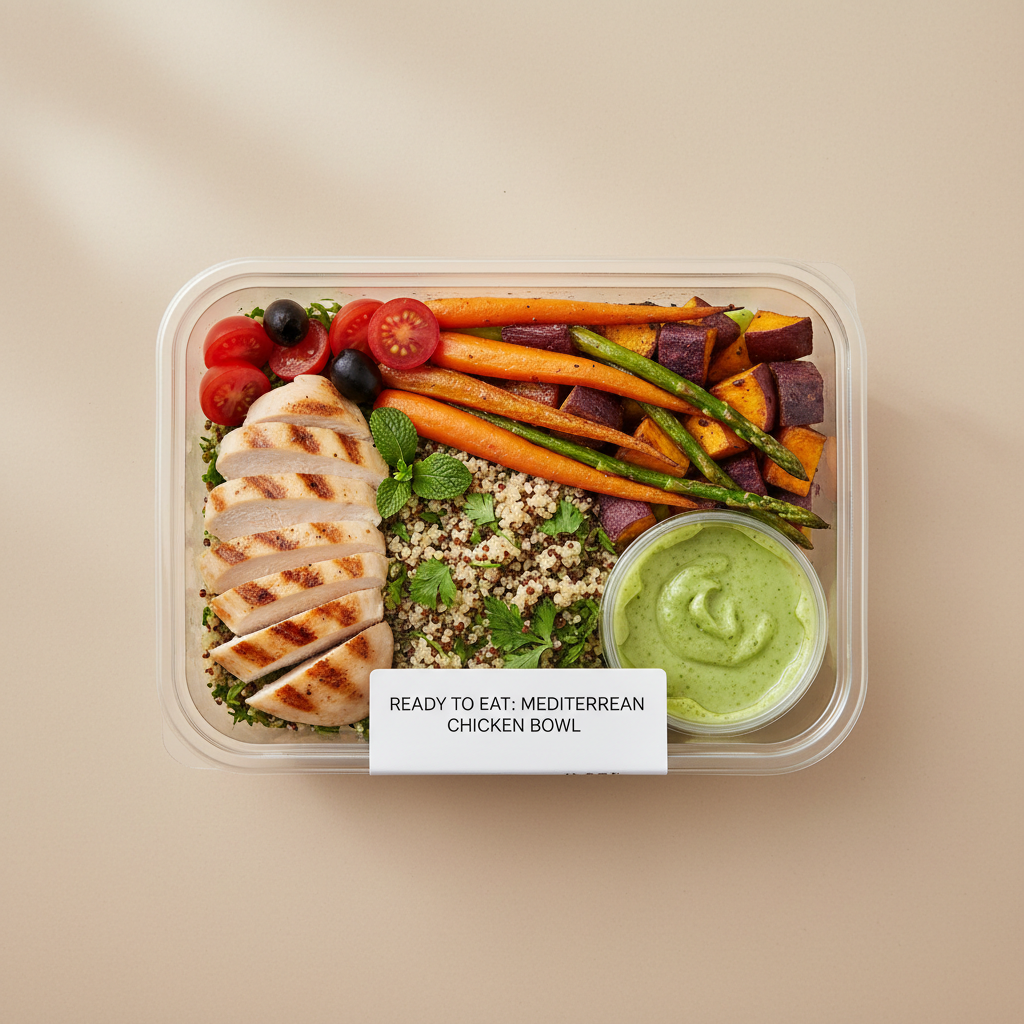
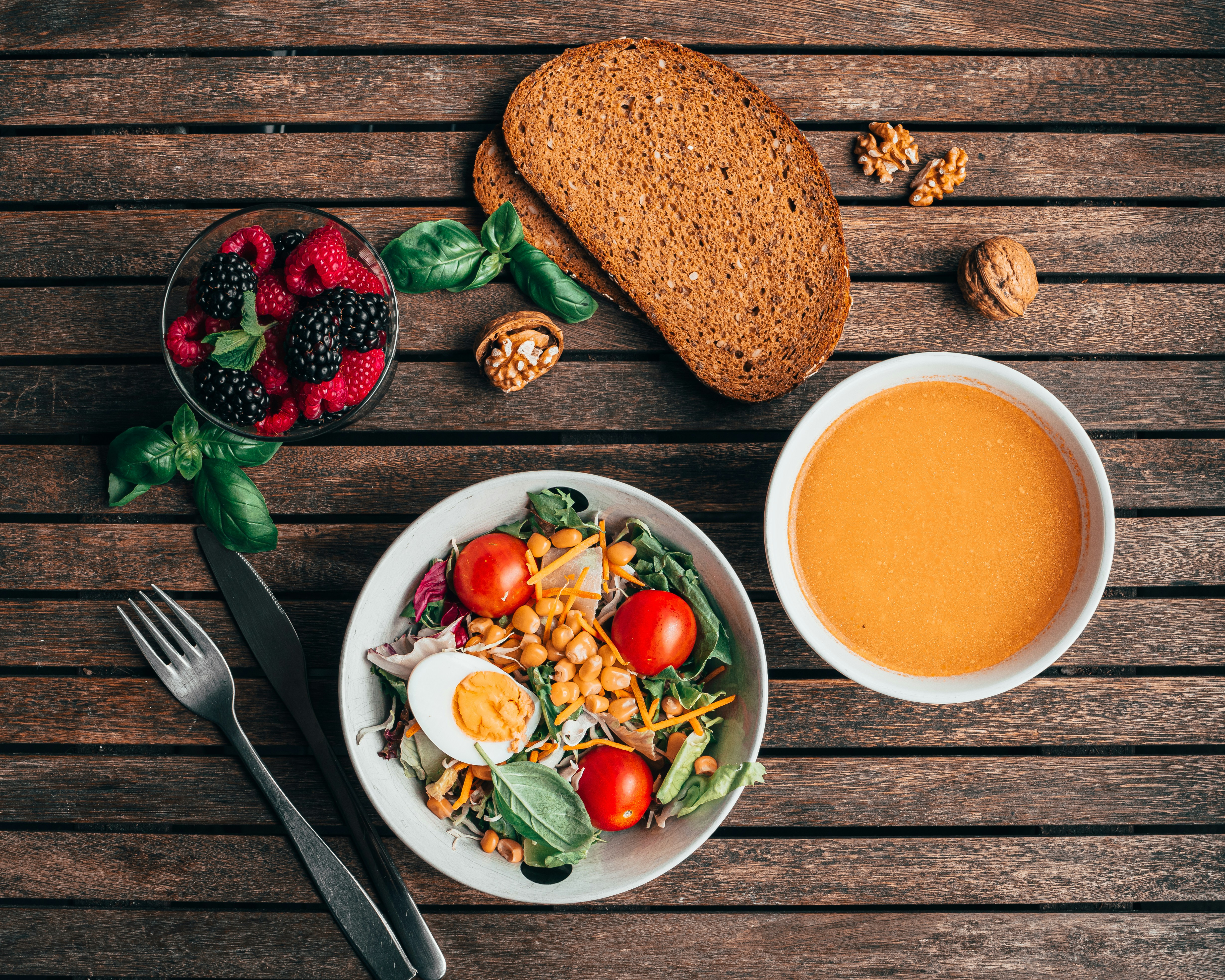

"The women who come to me after an infertility diagnosis aren't failing — they're operating on outdated dietary information. The science moved. The standard prenatal advice didn't."
Dr. Elena Vasquez, RD, MS
Registered Dietitian · Reproductive Nutrition · Lead Nourish Protocol Designer
You've seen the blind spots.
Here's the structured plan.
The 90-Day Nourish Fertility Meal Plan translates every row in this table into a week-by-week, cycle-synced eating protocol — with grocery lists, meal prep guides, supplement timing schedules, and a dedicated IVF transfer-cycle optimization module.
90-Day Meal Calendar
Cycle-synced weekly meal plans from follicular through luteal phase, with full recipe index.
IVF Transfer Module
Dedicated protocol for the 5–7 days surrounding embryo transfer: anti-inflammatory loading, progesterone-supportive foods.
PCOS Track
Insulin-management variant with lower-glycemic swaps, inositol timing guide, and androgen-reducing food strategies.
No form on this page. The meal plan link opens the full program overview. The checklist downloads immediately — no email required.